
Skip to Content 
The end of the semester can be a difficult time for students. Added pressure to perform well, meet expectations or reach certain milestones can negatively impact the mental health of many. College students are at increased risk for suicide, especially during high-stress times of the year. Talking about suicide, even if the conversation is brief, can encourage people who are at risk to seek support.
Here are some things you can do if you are concerned that a student or someone you know may be thinking about suicide.
While suicides may take us by surprise or feel unexpected, there are verbal and behavioral warning signs that often precede suicidal behaviors. Knowing potential warning signs and ways to intervene can dramatically reduce the risks of suicidal behaviors.
If you notice these warning signs, there are ways you can support students and help them connect with resources.
If you’re concerned about a student, gently share what you’ve noticed and your desire to help. It can be helpful to provide concrete examples of behaviors that you’ve noticed. For instance, you may say “I’ve noticed you’ve been struggling to keep up with assignments recently” or “I’ve noticed that you haven’t been spending as much time with others in class.” Acknowledging their distress can help open the door for conversation.
Don’t be afraid to ask students directly about suicide or self-harm. Contrary to what we may think, talking about suicide directly isn’t going to plant the idea in their head. If they have been thinking about suicide or self-harm, asking them about it can be a relief and an opportunity for them to talk about it more openly.
When you ask, express your care by saying something like “I’m asking because I care. Are you thinking about suicide?” If they aren’t, they’ll let you know. Asking students, even if they aren’t thinking about suicide lets them know that it’s okay to talk about it in the future if things change. If they are thinking about suicide, it’s likely time to help them connect with mental health resources on campus.
Listen to students without judgment, and resist the urge to give them advice. It’s important to understand our students’ pain and what they’re experiencing. Keep in mind that suicidal behaviors are often short-term and situation-specific. In many cases, suicide ideation is an attempt to control or manage significant pain. When the pain subsides, suicide ideation often dissipates with it. However, understanding the source of our students’ pain (e.g. academic pressures, mental health concerns, etc.) can help us better support them and connect them with resources.
Talking about suicide can be nerve-racking, especially if a student says they have considered committing suicide. However, it’s important to manage your own emotions. When we project our own fears or anxieties, it can cause students to shut us out or become more distressed. Instead, try to reiterate your care and concern. Let them know that you are there for them and you want them to be okay.
Let students know that there are resources available to help them and things can get better. Here are some on-campus resources that are available to help students who are struggling with mental health concerns or thoughts of suicide.
If a student or someone you know is threatening to eminently kill or harm themselves, call 911 and request emergency mental health support. CU Boulder Police is also available at 303-492-6666. They work with Counseling and Psychiatric Services (CAPS) and the Office of Victim Assistance (OVA) to better address calls related to mental health crises and traumatic events.
If a student is in need of urgent or same-day support, Counseling and Psychiatric Services (CAPS) provides crisis support 24/7. Call 303-492-2277 to connect with a triage counselor.
CU Boulder colleges and schools have access to dedicated teams of liaisons from Counseling and Psychiatric Services, the Office of Victim Assistance and Health Promotion.
If a student is not currently suicidal but may be struggling, Let’s Talk is a great way to get connected with support services. They can meet one-on-one with a counselor for a confidential consultation that can help them gain insight and connect with additional resources on campus.
If a student is not currently suicidal but may be struggling, workshops are a great way for students to learn coping skills related to anxiety, stress and other painful emotions. Workshops are available throughout the week and are covered by the student mental health fee.
OVA provides free and confidential information, consultation, support, advocacy and short-term counseling services for students, grad students, faculty and staff who have experienced a traumatic, disturbing or life-disruptive event.
Learn more about faculty and staff resources to help students
Schedule an Appointment
Student Health Portal
Advocacy and Support
Health & Wellness Services
Division of Student Affairs
Hours and Contact
Campus Support Resources
Give Now
University of Colorado Boulder
© Regents of the University of Colorado
Privacy • Legal & Trademarks • Campus Map
COVID-19
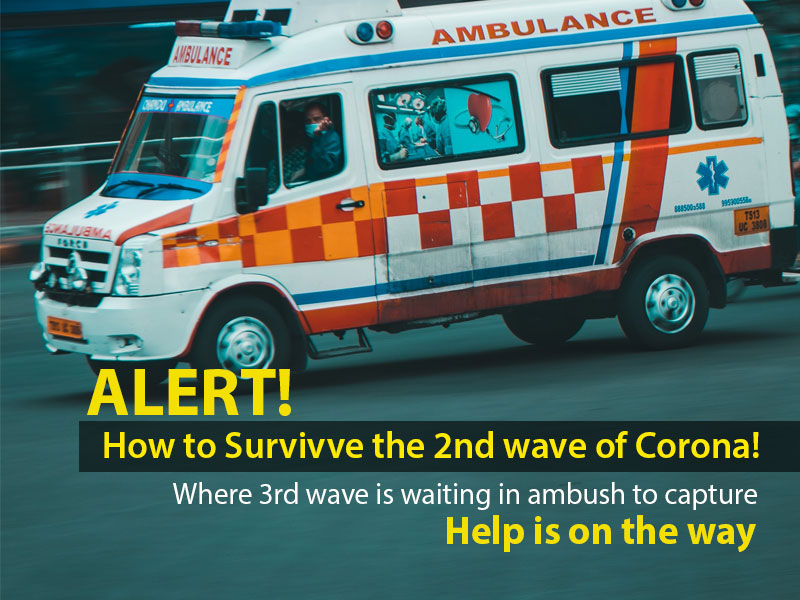
Surviving The 2nd Wave of Corona
‘This too shall pass away’ this famous Persian adage seems to be defeating us again and again in the case of COVID-19. Despite every effort