Free Online E-Health Check for Your Evidence Operations
Free Online E-Health Check for Your Evidence Operations
Passion for the Job
Agencies that show that they value their personnel will have healthier retention rates and easier recruitment
This article originally appeared in the April 2022 Police1 Leadership Briefing. To read the full briefing, see Wellness programs aren't optional; Do you know why cops really leave? and add the Leadership Briefing to your subscriptions.
The often parodied child’s question “Are we there yet?” has a variety of parental answers. Among them: “Stop asking,” “I’ll let you know,” “We’re never ‘there’, we’re always just ‘here,’” and “Yes, get out!”
As it applies to the question of how well our law enforcement agencies and communities are addressing officer mental health and wellness, the answer is we’ve only just left the driveway.
What is our destination when it comes to officer well-being? There are several outcomes that can be articulated.
Anxiety, constant stress response, lack of sleep, distractions, brain fog, depression and other factors detrimental to brain health are detrimental to the physical, cognitive and emotional performance necessary for law enforcement assignments. A holistic wellness approach recognizes that diet, physical activity and healthy relationships are all intertwined and affect quality police delivery.
Keeping an officer for optimum value and return on investment of the agency is a priority for law enforcement managers. Veteran officers bring a lot to an agency, including their encouragement to others to enter the law enforcement profession. Police1’s recent survey indicates that this important personal recruitment and encouragement has drastically diminished in the past couple of years. Agencies that show that they value their personnel will have healthier retention rates and easier recruitment.
Although the extent of first responder suicide relative to the rate of self-harm in the general public is not fully known, the number of police deaths that occur on duty is alarming enough. Suicide not only has the obvious tragic consequences of rippling trauma to the agency and the survivors, but it can also create mistrust among the public that assumes police officers have superpowers to cope with their jobs. Not all first responders who die by suicide do so as a direct result of their work, but a holistic approach to wellness is more likely to address issues such as relationships, financial management and existential crisis that can affect the job or the decision to die prematurely.
Mandating exposure to mental health services has an educational impact on officers responding to mental health crisis calls. If an officer lives in an environment where their whole health matters, including brain health, the officer will perhaps be more open to helping a person deal with a matter that generated the 911 call and police presence. Skills to which an officer is exposed in mental health maintenance can be reflected in encounters with those who have a mental health crisis.
Agencies must create a balance between recognizing stress-related illness and performance deficits, including PTSD, and recognizing that most officers, most of the time, are quite resilient with a quiver full of coping skills so that an expectation of a mental breakdown doesn’t become a cultural norm. Training on stress must emphasize the reality that brain health is largely a physiological issue just like any other wound or injury. Stress injuries affect digestion, brain waves, neurological connections, biochemistry, muscles and the whole somatic realm. Much of the information officers receive about stress injury is expressed in words describing feelings, which is a vocabulary often avoided because of the real need to suppress emotional reactions on the job. Recognizing that repeated trauma exposure and cumulative stress are a reality can help officers be more receptive to intervention.
Once some of these destinations (to continue our “are we there yet” theme) are recognized, agencies need to establish landmarks to establish direction and progress. Some of the results of increased attention to wellness should become evident if monitored and include:
Keeping generally positive attitudes and realistic expectations can lower the emotional impact of dealing with citizens in distress. An officer’s confidence will reduce unhelpful fear and increase self-regulation in the face of conflict.
While leave policies should be as generous as possible, science has long recognized how much illness and ailments are related to mental health. Fatigue, mental fog and distraction are tied to workplace injuries and vehicle accidents. Healthier minds and bodies should result in better attendance patterns and fewer chronic complaints.
No mental health or even de-escalation training should take away an officer’s safety or threat awareness. Coercion by physical means and tools will always be essential in policing when offenders become combative. Officers can, however, lower their threshold for aggression with better self-regulation awareness and an interest in preventing their own injury.
Having healthy professional relationships within an agency not only creates a better atmosphere but influences performance as well. Officers who withhold information because of a lack of trust or because of unhealthy competition within the ranks deprive the public of the collective efficacy of the agency. Reluctance to engage in teamwork can create a squad of Lone Rangers who do not share the workload or engage in effective team tasks at scenes where multiple officers are required. A mutually supportive environment makes for better operational effectiveness.
NEXT: 6 things police leaders must do to improve officer wellness in 2022
Joel Shults operates Street Smart Training and is the founder of the National Center for Police Advocacy. He retired as Chief of Police in Colorado. Over his 30-year career in uniformed law enforcement and criminal justice education, Joel served in a variety of roles: academy instructor, police chaplain, deputy coroner, investigator, community relations officer, college professor and police chief, among others. Shults earned his doctorate in Educational Leadership and Policy Analysis from the University of Missouri, with a graduate degree in Public Services Administration and bachelors in Criminal Justice Administration from the University of Central Missouri. In addition to service with the U.S. Army military police and CID, Shults has done observational studies with over 50 police agencies across the country. He has served on a number of advisory and advocacy boards, including the Colorado POST curriculum committee, as a subject matter expert.
His latest book The Badge and the Brain is available at www.joelshults.com.
Follow Joel on Twitter @ChiefShults.
Contact Joel Shults
More Police1 Articles
More Health & Wellness News
More Product Listings
More Product news
More Health & Wellness Videos
Copyright © 2022 Police1. All rights reserved.

Copyright © 2022 Lexipol. All rights reserved.
Do Not Sell My Personal Information
Police1 is revolutionizing the way the law enforcement community finds relevant news, identifies important training information, interacts online and researches product purchases and manufacturers. It’s the most comprehensive and trusted online destination for law enforcement agencies and police departments worldwide.
Copyright © 2022 Lexipol. All rights reserved.
Do Not Sell My Personal Information
Visit other Police1 Network Sites:
Official Partner of
Make Police1 your homepage
If you need further help setting your homepage, check your browser’s Help menu
COVID-19
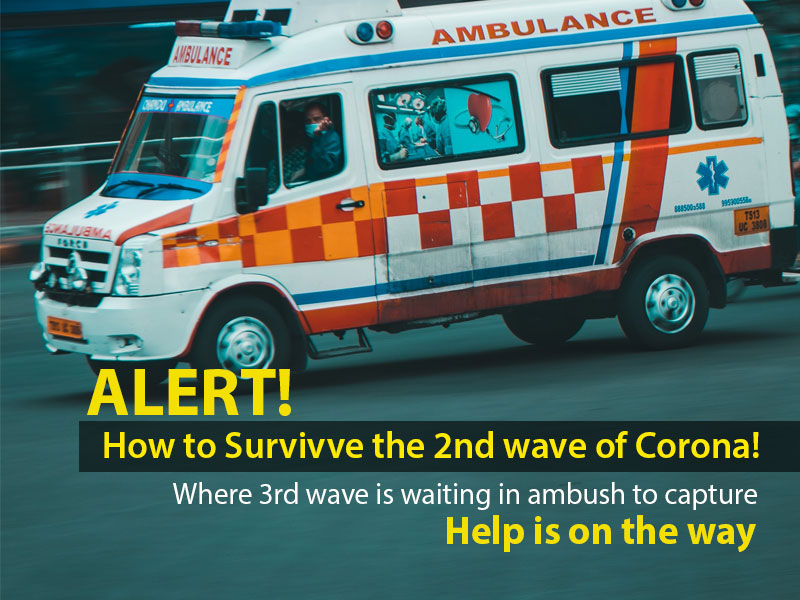
Surviving The 2nd Wave of Corona
‘This too shall pass away’ this famous Persian adage seems to be defeating us again and again in the case of COVID-19. Despite every effort